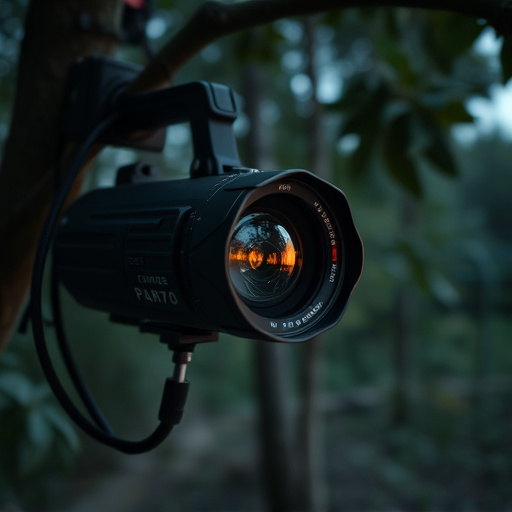
Night glint from streetlights and moonlight degrades image quality in low-light settings for spy cameras. Efficient lens design reduces reflections and enhances performance, crucial for battery-powered devices. Battery life is a key differentiator in Battery Life Spy Camera Comparison, balancing runtime with detail capture. Modern detection methods use image processing and machine learning to combat night glint but may impact battery consumption. Quality models prioritize energy conservation for extended surveillance without sacrificing image quality.
In the realm of surveillance, night-time operations pose unique challenges, particularly with spy cameras. The Battery Life of these devices is a critical factor, as low-light conditions demand constant power. This article delves into the art of Camera Lens Glint Detection at Night, exploring essential components from camera lens basics to cutting-edge detection methods and technologies. We dissect the complexities, offering insights through a spy camera comparison, with a focus on energy efficiency, highlighting strategies to overcome night-time glitches while optimizing battery life.
- Understanding Night Glint: Camera Lens Basics
- Challenges of Spy Cameras in Low Light
- Battery Life: A Critical Factor for Night Vision
- Detection Methods: Techniques and Technologies
- Comparative Analysis: Spy Cameras & Battery Efficiency
Understanding Night Glint: Camera Lens Basics
Night glint, a phenomenon where bright sources like streetlights or moonlight reflect off surfaces and into a camera lens, can severely impact image quality in low-light conditions. To combat this, it’s crucial to understand how camera lenses work. Lenses consist of multiple elements that focus light onto the sensor, but they also introduce optical aberrations. In night photography, these aberrations can appear as unwanted glints or reflections, hindering the capture of clear, sharp images.
Battery life and spy camera comparison studies highlight the importance of efficient lens design. High-quality lenses optimized for low-light conditions not only reduce glint but also enhance overall image quality. This is particularly significant in surveillance applications where maintaining battery life and capturing detailed footage are paramount. By addressing night glint, lens manufacturers contribute to more effective and reliable spy cameras, ensuring better performance across various environments.
Challenges of Spy Cameras in Low Light
Spy cameras, often used for surveillance and security purposes, pose unique challenges in low-light conditions. These miniature devices, designed to operate discreetly, face a dilemma when visibility is poor. Unlike traditional cameras, spy cams typically have smaller sensors and lower light sensitivity, which directly impacts their performance during nighttime operations. As a result, capturing clear and detailed images becomes arduous, often leading to grainy or underexposed pictures.
In the realm of battery-powered spy cameras, the issue compounds further. The constant demand for extended battery life means these devices need to balance processing power, image quality, and low-light performance. When light is scarce, the camera’s settings may have to be adjusted to conserve battery, often at the cost of reduced visual clarity. This poses a challenge in situations where capturing subtle details or recognizing faces is essential. Therefore, when considering spy cameras for night-time applications, users must weigh the pros and cons, especially in comparison to other low-light imaging devices, keeping Battery Life and Spy Camera Comparison in mind as key factors.
Battery Life: A Critical Factor for Night Vision
In the realm of night vision camera systems, battery life plays a pivotal role, especially in extended surveillance operations. When comparing spy cameras designed for nocturnal use, one key differentiator is how well they manage power consumption. These compact devices rely on batteries to operate quietly and discreetly in low-light conditions, making battery life a critical factor.
A robust battery life ensures that the camera can capture consistent glint data over longer periods without requiring frequent recharging or replacement. This is particularly important for covert operations where uninterrupted monitoring is essential. In the context of a Battery Life Spy Camera Comparison, users often look for models that offer extended runtime, ensuring they can gather evidence or monitor sensitive areas without fear of power failure.
Detection Methods: Techniques and Technologies
Detection methods for night-time camera lens glint have evolved significantly, driven by advancements in technology and a need for improved privacy protection. Traditional methods often relied on manual inspection, where individuals would scrutinize footage frame by frame to identify suspicious glints. This laborious process was time-consuming and subjective.
Modern approaches leverage sophisticated techniques and technologies such as advanced image processing algorithms, computer vision, and machine learning. These tools analyze patterns in light reflection, enabling faster and more accurate detection of lens glint. Additionally, the integration of low-light imaging capabilities and enhanced sensitivity settings on modern cameras further aids in this process. A key consideration in night-time spy camera comparison is battery life; advanced detection methods may consume more power, necessitating longer charging intervals between surveillance sessions.
Comparative Analysis: Spy Cameras & Battery Efficiency
When comparing spy cameras based on battery efficiency, it’s crucial to consider their impact on overall device longevity, especially in scenarios where power sources are limited. In terms of battery life spy camera comparison, high-quality models designed for discreet surveillance often prioritize energy conservation to extend operational time between charges. This is particularly important in night-time operations, where the use of infrared technology can drain batteries faster.
A thorough spy camera comparison should examine not just the advertised battery capacity but also how efficiently each device utilizes power. Some manufacturers employ advanced power management systems that dim sensors or adjust frame rates to preserve battery life, ensuring longer periods of surveillance without compromise on image quality. These features are essential for professionals and individuals alike who rely on these devices in remote or inaccessible locations, where accessing new batteries promptly isn’t feasible.
The detection of camera lens glint in low-light conditions is a complex task, but advancements in technology are providing innovative solutions. Understanding the challenges faced by spy cameras in dark environments, especially regarding battery life, is crucial for optimal performance. This article has explored various methods and their impact on enhancing night vision while conserving battery power. Through our comparative analysis of spy camera models, it’s evident that efficient battery management goes hand-in-hand with effective glint detection, offering users longer observation periods without compromising quality. By leveraging the right technology, spy cameras can overcome low-light limitations, ensuring a clearer and more reliable view in night-time scenarios, making them invaluable tools for various applications.