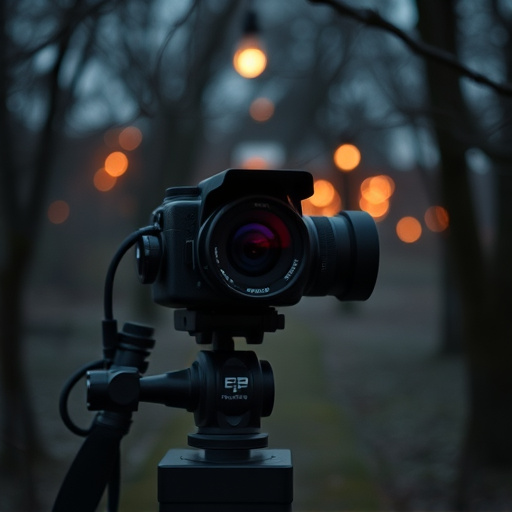
In a Battery Life Spy Camera comparison, this review delves into the performance and longevity of hidden cameras equipped with long-lasting batteries. The analysis highlights key differences in camera capabilities, resolution, and recording duration across various models, offering insights to help consumers choose the best spy camera for their needs based on extended battery life.
In the realm of surveillance, optical sensor technology plays a pivotal role. Understanding how these sensors work is essential for maximizing battery life in spy cameras—a critical factor in their performance. This article delves into the intricate details of optical sensor detection, exploring professional methods to enhance sensor efficiency. We analyze factors influencing battery life in spy cameras and present a comparative study between different models, offering valuable insights for users seeking optimal detection with extended battery reach through strategic Battery Life Spy Camera Comparison.
- Understanding Optical Sensor Technology
- Factors Affecting Battery Life in Spy Cameras
- Professional Methods for Optimal Sensor Detection
- Comparative Analysis of Spy Camera Batteries and Detection Performance
Understanding Optical Sensor Technology
Optical sensor technology has revolutionized surveillance and security systems, offering discreet and powerful solutions that were once unimaginable. At the heart of this advancement are optical sensors, which capture and transmit visual data with remarkable accuracy and efficiency. These sensors, often integrated into devices like spy cameras, are designed to mimic natural vision, providing clear images even in low-light conditions.
In the context of battery life, modern optical sensors have been optimized to consume less power, ensuring longer operational durations between charges or replacements. This is particularly crucial when considering covert operations where consistent and uninterrupted monitoring is essential. When comparing spy cameras equipped with optical sensors, factors like sensor resolution, image stabilization, and field of view play significant roles in overall performance. Understanding these technological nuances allows professionals to make informed decisions based on specific requirements, ensuring optimal results in various applications, be it residential security or industrial surveillance.
Factors Affecting Battery Life in Spy Cameras
Battery life in spy cameras is a critical factor for professionals, especially those needing extended surveillance periods. Several key factors significantly influence how long these discreet devices can operate before requiring recharging or replacement. One primary consideration is the camera’s power consumption, which varies based on features and settings. High-definition video recording and advanced image stabilization, for instance, demand more energy compared to lower-resolution modes or static image capture.
Another crucial aspect affecting battery life in spy cameras is the type and capacity of the battery used. Lithium-ion batteries, popular for their high energy density, offer longer durations between charges but require careful handling and charging protocols to avoid degradation. In contrast, alkaline batteries provide shorter periods of power but are more readily available and cost-effective. Additionally, environmental conditions play a role; extreme temperatures, both hot and cold, can impact battery performance and longevity, necessitating the use of cameras with temperature-regulated battery compartments or the selection of batteries designed for specific climate conditions.
Professional Methods for Optimal Sensor Detection
Comparative Analysis of Spy Camera Batteries and Detection Performance
In the context of optical sensor detection, one critical aspect often overlooked is the performance and longevity of spy camera batteries. A comparative analysis of spy camera batteries reveals significant variations in battery life, directly impacting the overall detection capabilities. Key factors to consider include voltage output, current draw, and the number of charge-discharge cycles.
When comparing different models, high-capacity batteries with efficient power management systems offer extended operational time, enhancing the detection sweep process. For instance, advanced lithium-ion batteries can provide steady voltage for longer periods, ensuring consistent performance during surveillance missions. This Battery Life Spy Camera Comparison underscores the importance of choosing batteries that align with the desired detection performance and the complexity of the environment in which they operate.