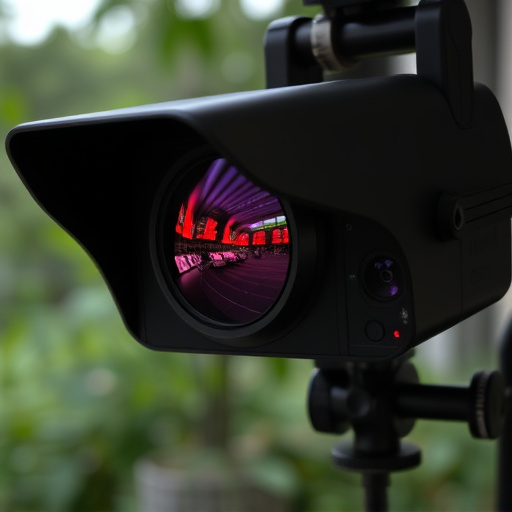
RF detectors are vital tools for locating hidden spy cameras, picking up wireless signals. When comparing spy cameras, battery life is crucial as it directly impacts usability and convenience, affecting operational capabilities in extensive searches or remote locations. High-quality models offer impressive runtimes of up to 24 hours or more, but this varies based on settings and usage intensity. A step-by-step guide emphasizes the importance of equipping yourself with an RF detector, scanning areas for unusual signal readings, and noting persistent frequencies for identification purposes, while prioritizing battery life through efficient power management systems to maintain uninterrupted operation during searches ( Battery Life Spy Camera Comparison).
Discover the power of RF detectors in uncovering hidden cameras with our comprehensive guide. This tutorial delves into the essential tools for detecting and identifying covert surveillance devices, offering a step-by-step approach to ensure success. We explore the role of RF detectors in navigating modern privacy concerns, especially when comparing battery life between spy cameras. Learn how to effectively detect hidden cameras and stay informed about the latest techniques in this evolving field, focusing on practical steps for enhanced security.
- Understanding RF Detectors and Their Role in Uncovering Hidden Cameras
- Evaluating Battery Life: Spy Cameras Compared
- Step-by-Step Tutorial: Detecting and Identifying Hidden Cameras Using RF Sweep Techniques
Understanding RF Detectors and Their Role in Uncovering Hidden Cameras
RF (Radio Frequency) detectors are powerful tools in the arsenal of professionals tasked with locating hidden cameras, often referred to as spy cameras. These devices operate by scanning for wireless signals emitted by such surveillance equipment, which can be covertly installed and operated remotely. Understanding how RF detectors work is key to effective use; they detect the radio frequency emissions from the camera’s transmitter, allowing users to pinpoint its location. This is particularly useful in scenarios where other methods might fail, such as in dense materials or areas with strong electronic signals.
In the context of spy cameras, battery life plays a crucial role when considering different RF detector options. Modern devices are designed with efficient power management systems, ensuring prolonged battery longevity during sweeps. When comparing various models, users should look for those offering longer battery life, as this directly impacts the number of hidden cameras that can be located before requiring a recharge. This feature is especially beneficial in extensive searches or remote locations where access to power sources might be limited.
Evaluating Battery Life: Spy Cameras Compared
When comparing spy cameras, one key factor to consider is their battery life. Different models offer varying levels of endurance, which can significantly impact their overall usability and convenience. In the world of covert surveillance, a camera with an extended battery life ensures uninterrupted monitoring for longer periods.
In terms of battery life spy camera comparison, high-quality hidden cameras often boast impressive runtimes, some capable of lasting up to 24 hours or more on a single charge. This is particularly beneficial for applications requiring continuous observation, such as home security or long-term surveillance. However, it’s essential to note that this can vary based on factors like camera settings, environment, and usage intensity. Therefore, evaluating battery life should be a priority when choosing a spy camera to ensure it meets your specific monitoring needs.
Step-by-Step Tutorial: Detecting and Identifying Hidden Cameras Using RF Sweep Techniques
Step-by-Step Tutorial: Detecting and Identifying Hidden Cameras Using RF Sweep Techniques
To detect hidden cameras, start by equipping yourself with a radio frequency (RF) detector. These devices are designed to pick up signals from wireless devices, including spy cameras. Begin by turning on the RF detector and scanning the area you suspect might contain a hidden camera. Look for any unusual or unpredictable signal readings; these could indicate an active camera. Move slowly and methodically across the desired area, ensuring you cover every corner thoroughly.
Next, compare the battery life of your RF detector with those of spy cameras known to operate in similar conditions. This step is crucial as it helps you understand how long you can operate the detector without needing a replacement. Efficient battery management ensures you can complete the sweep without interruption, enhancing accuracy and coverage. During the scan, take note of any specific frequencies or signal patterns that persistently appear; these could be unique identifiers for the hidden camera’s manufacturer or model, aiding in its identification.
In conclusion, understanding how to utilize RF detectors effectively is a valuable skill in identifying hidden cameras. By comparing the battery life of spy cameras and employing step-by-step RF sweep techniques, you can navigate the intricate process of detecting these devices. This tutorial equips readers with the knowledge to protect their privacy by uncovering potential surveillance equipment, ensuring a safer digital environment.