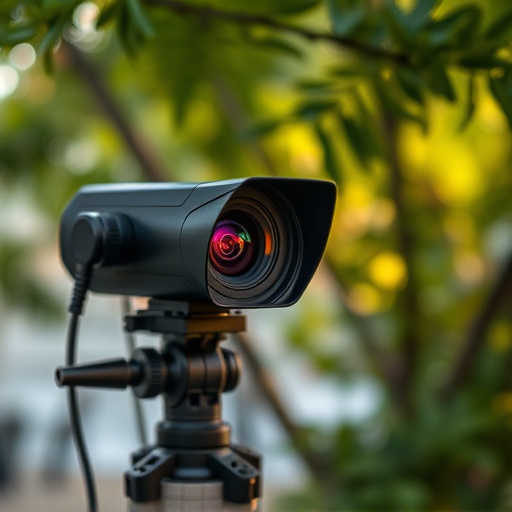
Spy camera lens detection on mobile devices has become a vital privacy tool due to advanced visual analysis and machine learning algorithms that can spot subtle anomalies in lenses, often signs of hidden cameras. Apps like Secret Camera Detector, Spy Cam Scanner, and Hidden Camera Finder offer discrete solutions, with varying features such as AI scanning, thermal imaging, and motion detection. Battery life is a critical component, with extended durations enabling uninterrupted surveillance; high-capacity batteries or efficient power management set top models apart. While modern smartphone technology provides real-time alerts, it raises privacy concerns regarding battery consumption and data misuse, necessitating a balance between effectiveness and user experience in its widespread adoption.
Uncover the evolving world of spy camera lens detection through mobile phone technology. This comprehensive guide delves into the effectiveness of identifying hidden cameras, examining key features in popular spy apps, and exploring the technical intricacies behind detection methods. From battery life considerations to privacy concerns, we compare various spy camera apps based on functionality and performance. Discover how modern phones are revolutionizing the way we navigate and protect our personal spaces from potential surveillance threats.
- Understanding Spy Camera Lens Detection on Mobile Devices
- The Impact of Battery Life in Spy Cameras: A Comprehensive Look
- Popular Spy Camera Apps and Their Features: A Comparison
- Technical Aspects: How Phones Detect Spy Lenses
- User Experience and Privacy Concerns: Using Phone Technology for Spy Camera Detection
Understanding Spy Camera Lens Detection on Mobile Devices
Spy camera lens detection has become an increasingly important feature on mobile devices, thanks to advancements in technology and growing concerns about privacy. With the widespread use of hidden cameras, both for security and malicious purposes, smartphone users are now equipped with tools to identify these covert surveillance devices. One such method gaining traction is through visual analysis and machine learning algorithms that can detect subtle anomalies in camera lenses, often indicative of spy cameras.
This process involves examining various aspects of the lens, including its shape, texture, and unique markings, which may be invisible to the naked eye but detectable by advanced mobile apps. Unlike traditional methods relying on physical inspections or specialized equipment, this digital approach offers a discrete and accessible solution. Moreover, with continuous improvements in battery life and processing power, smartphone users can now perform these checks conveniently and discreetly, ensuring a comprehensive spy camera comparison without compromising their device’s performance or privacy.
The Impact of Battery Life in Spy Cameras: A Comprehensive Look
In the world of spy cameras, battery life is a critical factor that often goes unnoticed but significantly impacts their overall performance and usability. When comparing various spy camera models, one must consider the device’s ability to function for an extended period without requiring frequent recharging. This aspect becomes increasingly vital in covert operations where consistent surveillance over an extended duration is necessary.
A detailed Battery Life Spy Camera Comparison reveals that longer battery life translates into fewer interruptions during surveillance activities. High-capacity batteries or those with efficient power management systems enable these devices to operate silently for days or even weeks, ensuring continuous monitoring. This feature sets apart top-tier spy cameras from their competitors and offers users the freedom to deploy them in diverse environments without worrying about frequent recharging needs.
Popular Spy Camera Apps and Their Features: A Comparison
In today’s digital age, the detection of hidden spy cameras has become a pressing concern for privacy advocates. Smartphones have emerged as powerful tools in this quest, with various apps designed to identify and mitigate the risks posed by covert surveillance devices. Among the most popular are Secret Camera Detector, Spy Cam Scanner, and Hidden Camera Finder.
Each app offers unique features tailored to address different aspects of spy camera detection. Secret Camera Detector boasts advanced AI capabilities that can scan environments for hidden cameras, analyzing visual cues and patterns to pinpoint potential threats. Its battery efficiency is a standout feature, ensuring users can conduct thorough searches without constant recharging. In contrast, Spy Cam Scanner focuses on thermal imaging technology, detecting heat signatures that may indicate the presence of hidden lenses. This app excels in low-light conditions but lags slightly in battery life compared to its competitors. Meanwhile, Hidden Camera Finder leverages both visual analysis and motion detection, making it ideal for quick scans in busy environments. While it might not offer the same level of detail as AI-driven apps, its user-friendly interface and modest power consumption make it a favorite among users seeking a straightforward solution.
Technical Aspects: How Phones Detect Spy Lenses
Modern smartphones are equipped with advanced cameras and powerful sensors, enabling them to detect spy camera lenses with impressive accuracy. One of the key technical aspects lies in their ability to analyze light patterns and unusual sensor readings. When a hidden spy lens is active, it often emits distinct light signatures due to the infrared or UV illumination it uses for imaging. Phone cameras can capture these unique patterns, which are then processed by specialized algorithms. These algorithms compare the captured images with known signatures of spy lenses, allowing the device to identify and flag suspicious activities.
Additionally, battery life plays a crucial role in spy lens detection. Continuous monitoring for such hidden devices can drain a phone’s battery quickly due to the intense processing required. Therefore, apps designed for this purpose often incorporate energy-efficient techniques, optimizing their performance while preserving battery life during extensive scans. In terms of comparison, not all phones are equally equipped to handle this task; high-end models with more powerful processors and advanced camera features tend to offer superior spy lens detection capabilities when compared to budget smartphones.
User Experience and Privacy Concerns: Using Phone Technology for Spy Camera Detection
Using phone technology to detect spy cameras has both potential benefits and significant privacy concerns. On one hand, smartphone apps that analyze visual feeds can alert users to hidden lenses in real time, enhancing security and awareness. These applications leverage advanced image recognition algorithms and camera features like flash detection to identify unusual patterns or discrepancies that might indicate the presence of a covert camera. Such tools can be invaluable for individuals seeking to safeguard their privacy in public spaces or at home.
However, the very capabilities that make these apps effective also raise crucial questions about user experience and data privacy. Continuous scanning for spy cameras could drain battery life rapidly, becoming a nuisance for users who rely on their phones for daily tasks. Additionally, the collection and processing of visual data to create a comprehensive database of spy camera signatures may lead to concerns about data security and potential misuse. Comparing these apps with traditional spy camera detection methods, like physical inspections or specialized equipment, reveals both the promise and pitfalls of using mobile technology in this domain.
Spy camera lens detection using mobile phones has emerged as a powerful tool, offering both convenience and privacy concerns. By understanding the technical aspects and comparing popular apps, users can make informed decisions regarding their device’s capabilities. While battery life remains a critical factor in spy camera technology, advancements in phone sensors and AI provide effective solutions for identifying hidden lenses. As we navigate this evolving landscape, prioritizing user experience and privacy is essential to ensure that technology serves us without compromising our security.